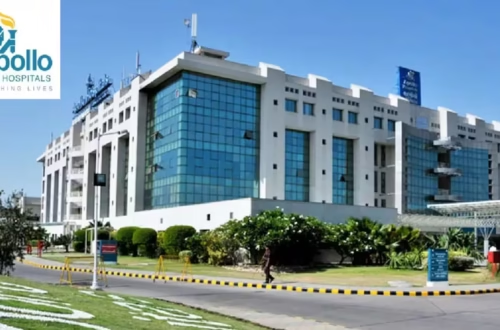
India has emerged as a leading destination for medical tourism, attracting patients from around the globe seeking high-quality healthcare at affordable prices. The country’s healthcare system is characterised by a unique blend of skilled professionals, modern facilities, and a diverse range of medical services.
Overview of India’s Healthcare System
India’s healthcare system is a complex network comprising both public and private sectors. While public healthcare provides basic services to a significant portion of the population, the private sector has grown to dominate healthcare delivery, accounting for approximately 70% of outpatient visits and 58% of inpatient episodes.
Key Features:
- Diverse Providers: The system includes government hospitals, private clinics, and corporate hospitals, offering a wide array of services from primary care to advanced surgical procedures.
- Regulatory Improvements: The government is working to strengthen regulatory frameworks to ensure patient safety and high-quality care.
Skilled Professionals
India boasts a large pool of highly qualified healthcare professionals. Many doctors and surgeons have received training from prestigious institutions in India and abroad, often possessing advanced degrees and specialised certifications.
Highlights:
- Expertise in Specialised Fields: Indian doctors are renowned for their expertise in various specialties, including cardiology, orthopaedics, oncology, and cosmetic surgery.
- Language Proficiency: English is widely spoken among healthcare providers, facilitating communication with international patients.
Modern Facilities
The infrastructure of India’s healthcare facilities has seen significant advancements over the years. Many private hospitals are equipped with state-of-the-art technology and adhere to international standards.
Facility Features:
- Accreditation: Numerous hospitals are accredited by international bodies such as the Joint Commission International (JCI), ensuring adherence to global healthcare standards.
- Advanced Technology: Facilities often feature cutting-edge medical equipment and offer innovative treatment options, including minimally invasive surgeries and robotic-assisted procedures.
Cost-Effectiveness
One of the most compelling reasons for choosing India as a medical tourism destination is the cost savings associated with treatments. Medical procedures in India can be significantly cheaper than those in Western countries.
Cost Comparison:
- Surgical Procedures: Costs for surgeries can be reduced by up to 80% compared to countries like the USA or UK.
- Comprehensive Packages: Many hospitals offer all-inclusive packages that cover consultations, treatments, accommodation, and follow-up care.
FAQs About Medical Tourism in India
1. What types of medical treatments are available in India?
India offers a wide range of treatments including cardiac surgery, orthopaedic procedures, cosmetic surgery, fertility treatments, and cancer therapies.
2. How do I choose a hospital in India?
Consider factors such as hospital accreditation, doctor qualifications, patient reviews, and available facilities. Consulting with a medical tourism facilitator can also help guide your choice.
3. Is it safe to undergo surgery in India?
Yes, many Indian hospitals maintain high standards of safety and hygiene. It is advisable to choose accredited facilities with experienced professionals.
4. What should I expect regarding post-operative care?
Most hospitals provide comprehensive post-operative care plans that include follow-up consultations and rehabilitation services as needed.
5. How can I arrange my medical trip to India?
You can work with medical tourism companies that assist with travel arrangements, hospital bookings, visa support, and accommodation.