
A Comprehensive Guide for International Patients

Introduction
India has emerged as a popular destination for medical tourism, particularly for anterior cruciate ligament (ACL) tear surgeries. The country offers advanced medical facilities, skilled orthopedic surgeons, and significantly lower costs compared to Western nations, making it an appealing choice for international patients seeking effective ACL treatment.
Cause of ACL Injury
The Anterior Cruciate Ligament (ACL) injury often occurs due to sudden stops, pivoting, or changes in direction. These injuries are common in sports that involve jumping, pivoting, or rapid deceleration, such as basketball, soccer, and skiing. The ACL can tear when the knee is subjected to forces that exceed its mechanical limits, particularly during high-impact activities or direct trauma, like a collision or fall.
Complications if ACL Injury is Ignored
Ignoring an ACL injury can lead to several long-term complications

- Chronic Knee Instability: Without proper treatment, the knee may remain unstable, leading to repeated episodes of giving way. This instability can affect daily activities and limit athletic performance.
- Increased Risk of Meniscal Tears: An unstable knee can lead to further damage, particularly to the menisci (the cartilage in the knee). Meniscal tears are common in untreated ACL injuries due to the abnormal movement patterns of the knee.
- Early-Onset Osteoarthritis: Repeated instability and secondary injuries like meniscal tears can accelerate the degeneration of the knee joint, leading to early-onset osteoarthritis. This can result in chronic pain, stiffness, and reduced mobility.
- Decreased Quality of Life: Chronic pain, instability, and reduced function can significantly impact the quality of life, affecting both physical and mental well-being.
Pre-Treatment Evaluations for ACL Tear
Before considering treatment for an Anterior Cruciate Ligament (ACL) tear at a medical value tourism destination, it’s essential to undergo few basic assessments in your home country to ensure accurate diagnosis and to understand the severity of your condition. This includes:

- Physical Examination: An orthopedic specialist will assess your knee for signs of instability, swelling, and tenderness. Few specific tests like the Lachman test, anterior drawer test, and pivot shift test, which help determine the extent of the ACL injury.
- X-rays: While X-rays do not show soft tissues like the ACL, they are often used to rule out bone fractures or other conditions that could be contributing to knee instability.
- Magnetic Resonance Imaging (MRI) Scan: An MRI is the gold standard for diagnosing ACL tears. It provides detailed images of the knee, allowing the physician to assess the condition of the ACL, as well as other structures like the menisci, cartilage, and other ligaments that might be injured.
- Basic Blood investigations
Planning Your Treatment
Various platforms, like Aarogya Global (AG), offer free consultations to help you make informed decisions based on your personal medical history. These consultations can guide you on whether surgical intervention is necessary and provide insights into the best destinations for your specific needs. This combination of thorough pre-treatment evaluations and informed consultations can help ensure you receive the best possible care tailored to your condition and preferences.
To book a free consultation and get personalized advice, you can visit http://www.aarogyaglobal.com
Why Choose ACL Tear Surgery in India?

- Cost-Effectiveness: The cost of ACL tear surgery in India generally ranges from ₹1.5 lakhs to ₹3 lakhs INR (about USD $1,800 to USD $3,600). This is substantially lower than the cost in U.S, where similar procedures can exceed $15,000. Despite the lower cost, the quality of care in India remains high, providing excellent value for money.
- Here is a lay of costs at major medical value tourism destinations excluding the cost of living considerations which also happen to be quite high in these countries.
- Singapore $9,000 to $15,000 USD
- Turkey: $5,500 to $9,000
- Mexico: $3,500 to $6,000,
- Thailand: $6,000 to $8,000
- Vietnam: $5,000 to $7,500
- Here is a lay of costs at major medical value tourism destinations excluding the cost of living considerations which also happen to be quite high in these countries.
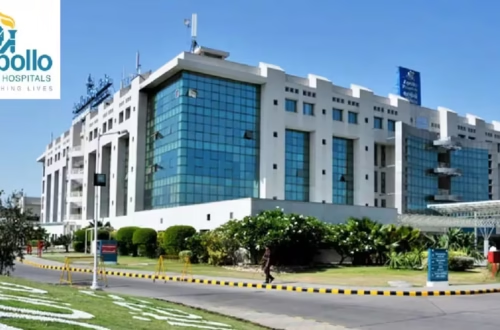
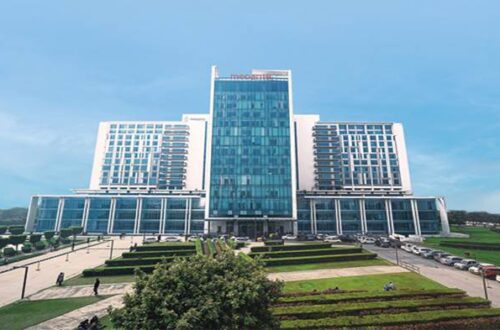
- Top-Tier Medical Facilities: Leading cities such as Delhi, Mumbai, Bangalore, and Chennai host some of the world’s most advanced hospitals. Institutions like Apollo Hospitals, Fortis Healthcare, and Max Healthcare are equipped with cutting-edge technology and adhere to strict international standards. These JCI-accredited hospitals ensure world-class patient care.
- Expert Surgeons: India boasts a substantial number of orthopaedic surgeons specializing in ACL reconstruction. Many of these professionals have trained and practiced in prestigious global medical centers, bringing advanced techniques and extensive experience to their practices in India.
- Skilled Care Professionals: Indian nurses and physiotherapists are renowned for their expertise and dedication. Their exceptional skills play a critical role in patient care before, during, and after ACL surgery, contributing to successful recovery and rehabilitation.
Understanding ACL Tear Surgery
ACL tear surgery involves reconstructing the anterior cruciate ligament in the knee, usually with a graft taken from the patient’s own tissue or a donor. This surgery is recommended for patients with a complete ACL tear, which causes knee instability and difficulty in performing activities involving rapid changes in direction, jumping, or sudden stops.
Types of ACL Surgery
- Autograft Reconstruction: Utilizes the patient’s own tissue, such as from the hamstring or patellar tendon, to reconstruct the ACL.
- Allograft Reconstruction: Employs donor tissue to rebuild the ACL, often chosen for patients who seek a faster recovery.
The Surgical Procedure

ACL reconstruction typically lasts between 1 and 2 hours and is performed under either spinal or general anesthesia. The surgeon makes small incisions around the knee and uses arthroscopic methods to remove the damaged ligament and insert the graft. Most patients are discharged within 1 to 2 days, depending on their recovery.
Recovery and Rehabilitation

Post-surgery recovery involves a structured rehabilitation program, including physical therapy to restore knee strength and mobility. Patients often begin walking with assistance within a week and may resume light activities within 4 to 6 weeks. Full recovery, including returning to sports, usually takes 6 to 12 months.
What to Expect After Surgery

To ensure a smooth recovery, patients should:
- Avoid high-impact activities until cleared by the surgeon.
- Follow a prescribed physical therapy regimen to strengthen the knee.
- Attend regular follow-up appointments to track progress and avoid complications.
- Resume your usual activities as per the advice of your doctor and enjoy life without the discomfort of knee pain.
Tips for Planning Your Trip

- Consultation: Contact a medical value tourism facilitator company like Aarogya global and arrange a consultation with an orthopedic specialist to confirm if ACL surgery is the right choice for you.
- Hospital and Surgeon Selection: Opt for JCI or NABH accredited hospitals with a proven track record in ACL surgeries.
- Visa Requirements: Apply for a medical visa, which permits a stay of up to 6 months in India for treatment.
- Travel Arrangements: Organize your accommodation, flights, and transportation in advance. Many hospitals offer comprehensive medical tourism packages to assist with these arrangements.
“India’s combination of affordable pricing, advanced medical facilities, and highly qualified professionals makes it a top destination for ACL tear surgery”