
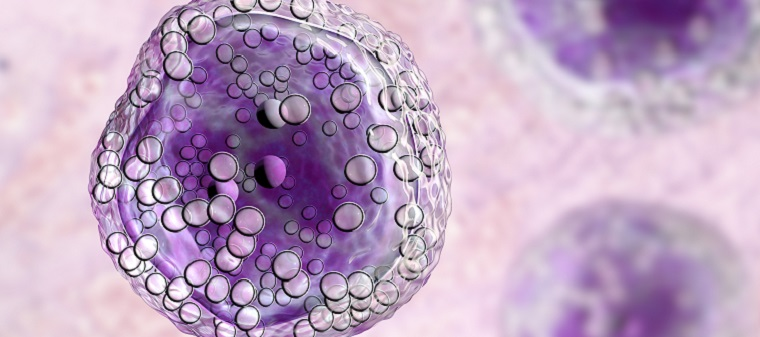

Image Source: https://images.app.goo.gl/mii4BvbiRuoMXyqs7
Once our loved one is diagnosed with cancer, we are faced with numerable questions. Which hospital to go? How to compare different treatment options? What would the treatment cost us and what does success look like. At Aarogya Global , our attempt is to help you navigate this complex journey with the right medical expertise and highest level of confidence.
Aarogya Global is dedicated to connecting patients with world-class cancer care in India, offering cutting-edge treatments and expert guidance at every step. Our strong network of world class hospitals and doctors in India would enable you to get the best range of opinions, that could help with the cure that your future generations will thank you for. We will her discuss various diagnostic tests that you should be aware of, how to plan out the treatment and explore the best practitioners that provide maximum value for minimum discomfort during your journey.
To book your free medical consultation, submit your query on this link
The epidemic that cancer has become..
Cancer has emerged as one of the most pressing global health challenges, affecting millions across continents. With over 19 million new cases diagnosed each year, it has become a worldwide epidemic, impacting individuals, families, and healthcare systems. .
Driven by aging populations, lifestyle changes, and environmental factors, cancer rates are rising rapidly, with projections indicating a nearly 50% increase in cases by 2040. Low- and middle-income countries are particularly vulnerable, experiencing more than 70% of cancer deaths due to limited access to timely diagnosis and quality care.
The silver lining is that the age-standardized death rate from cancer has declined over time in many countries — due to improvements in diagnosis, research, medical advances, and public health efforts, as well as reductions in risk factors such as smoking and some cancer-causing pathogens. As this epidemic grows, advanced oncology treatments and preventive measures are more crucial than ever.
Diagnosis

Early cancer diagnosis significantly improves treatment outcomes, making proactive screening essential for those at higher risk. Individuals with a family history of cancer, those with lifestyle factors like smoking or high alcohol consumption, and individuals exposed to carcinogenic substances should consider regular screening. People over the age of 50 or those with chronic conditions may benefit from routine check-ups, as certain cancers become more common with age. Early symptoms, such as unusual lumps, unexplained weight loss, persistent fatigue, or changes in bodily functions, should never be ignored. For those in high-risk categories or anyone experiencing concerning symptoms, proactive screening can lead to early detection and a better chance of successful treatment.

Image Source: https://blog.virginiacancer.com/what-to-expect-at-your-first-mammogram
Breast Cancer
- Mammogram: A specialized X-ray of the breast is often the first screening tool to detect abnormalities.
- Ultrasound: Used to examine areas found in a mammogram, helping distinguish between solid masses and fluid-filled cysts.
- Biopsy: If an abnormality is found, a tissue sample is taken for analysis to confirm if it’s cancerous.

https://blog.virginiacancer.com/what-to-expect-at-your-first-mammogram
Lung cancer
- Low-Dose CT Scan (LDCT): For high-risk individuals, such as long-term smokers, LDCT can detect lung cancer in its early stages.
- Bronchoscopy: A camera-equipped tube is inserted into the lungs to directly view abnormalities and collect tissue samples.
- Sputum Cytology: Examining phlegm under a microscope can reveal lung cancer cells, particularly for cancers close to the airway.
Colorectal Cancer
- Colonoscopy: A scope is used to examine the colon and rectum, identifying any polyps or abnormal growths for biopsy.
- Fecal Occult Blood Test (FOBT): This stool test detects hidden blood, which could indicate cancer or other conditions.
- CT Colonography: A virtual colonoscopy using CT imaging to look for polyps and cancer.
Prostate cancer
- Prostate-Specific Antigen (PSA) Test: A blood test measuring PSA levels, with high levels indicating a potential risk.
- Digital Rectal Exam (DRE): A physical exam where a doctor checks for prostate abnormalities.
- MRI and Biopsy: If initial tests indicate cancer, MRI or a biopsy can help in confirming the diagnosis and determining the extent.
Skin Cancer
- Skin Exam: Doctors examine moles or skin changes; dermoscopy can help with detailed assessment.
- Biopsy: For suspicious skin changes, a sample is removed and analyzed under a microscope to confirm melanoma.
Lymphoma
- Physical Exam and Lymph Node Biopsy: Enlarged lymph nodes are examined, and a sample may be taken to check for cancer cells.
- Blood Tests: Blood tests can reveal abnormal levels of certain cells and help indicate lymphoma.
- Imaging (CT, PET Scan): Scans help locate lymphoma and assess its spread throughout the body.
- Bone Marrow Biopsy: In cases where lymphoma is suspected to affect the bone marrow, a biopsy can confirm the diagnosis.
Leukemia
- Complete Blood Count (CBC): This blood test measures levels of white blood cells, red blood cells, and platelets. Abnormal counts can signal leukemia.
- Bone Marrow Biopsy: A sample from the bone marrow, where blood cells are produced, helps in identifying leukemia cells.
- Flow Cytometry and Cytogenetic Testing: These tests analyze leukemia cells to determine the specific type and genetic characteristics, guiding treatment options.
Genetic Testing
Genetic testing has become an invaluable tool in diagnosing and tailoring treatment for various conditions. By analyzing specific genes or mutations, genetic tests provide insights into a patient’s unique biological profile, helping doctors select the most effective treatments.
For instance, in colorectal cancer, tests for mutations in genes like KRAS, NRAS, and BRAF help determine which targeted therapies may be beneficial. In conditions like celiac disease, genetic testing for HLA-DQ2 and HLA-DQ8 genes can confirm diagnosis and guide dietary management. Genetic profiling also aids in identifying familial predispositions to diseases, enabling preventive measures for conditions like hereditary colorectal cancer syndromes (e.g., Lynch syndrome).
Ultimately, genetic testing personalizes treatment, improving outcomes by aligning therapy with the patient’s genetic makeup and disease characteristics.

India has become a global hub for cancer diagnostics, offering high-quality, cost-effective medical care. Indian hospitals are equipped with state-of-the-art diagnostic technology—such as advanced imaging (CT, MRI, and PET scans), molecular testing, and comprehensive blood panels—that meet global standards. With a wealth of experienced oncologists and diagnosticians, patients receive specialized care and rapid diagnostic results.
The cost of diagnostic tests in India is significantly lower than in many Western countries, allowing patients to access these services affordably without compromising quality. For international patients, leading hospitals in India, supported by Aarogya Global, provide streamlined support for travel, accommodation, and medical arrangements, making it easier for patients to undergo testing and consultations with ease. This combination of expertise, technology, and affordability positions India as a trusted destination for proactive and accurate cancer diagnostics.
Evaluating treatment options
There are several drugs and procedures available to treat cancer and there are many more still under research and clinical trials. While some of these methods are ‘local’ procedures like radiation therapy and surgery to treat a specific tumour in the body, there are a few ‘systemic’ drug treatments like immunotherapy and chemotherapy that affect the whole body. Broadly, we can categorize the cancer treatments into:

- Chemotherapy – Chemotherapy involves using powerful drugs to kill cancer cells, often in combination with other treatments. India is highly recommended for chemotherapy due to its globally recognized oncologists and state-of-the-art treatment facilities. The cost of chemotherapy in India is significantly lower than in many Western countries, allowing international patients to access multiple cycles affordably while receiving high-quality care. Additionally, Indian hospitals offer comprehensive patient support to manage side effects and improve treatment effectiveness.
- Surgery – Cancer surgery involves removing tumors and affected tissues and is one of the most common treatments for cancer. Indian hospitals are equipped with advanced surgical technology, including robotic-assisted surgery and minimally invasive techniques, which enable precise tumor removal with faster recovery times. Indian surgeons are internationally trained, with extensive experience in complex cancer surgeries. Combined with India’s affordability, patients receive expert surgical care at a fraction of the cost compared to Western hospitals.

Image Source: https://www.medanta.org/patient-education-blog/the-importance-of-multidisciplinary-approach-in-surgical-oncology 1
- Radiation therapy – Radiation therapy uses high-energy radiation to target and destroy cancer cells. India is a preferred destination for radiation therapy due to its availability of advanced technologies like CyberKnife, Gamma Knife, and TomoTherapy, which offer precision in targeting tumors with minimal impact on surrounding tissues. Indian cancer centers provide these cutting-edge treatments at significantly reduced costs, making them accessible for patients from diverse backgrounds.
- Immunotherapy – Immunotherapy is a breakthrough cancer treatment that boosts the body’s immune system to fight cancer. Indian hospitals are emerging as leaders in immunotherapy, with access to advanced immunotherapy drugs and customized treatment plans. The country’s cancer specialists stay updated with global research, and treatments are available at competitive prices, making immunotherapy a viable option for patients who may not have access to it in their home countries.
- Targeted therapy – Targeted therapy uses drugs to specifically attack cancer cells without affecting normal cells, making it a less invasive option. India offers access to a wide range of FDA-approved targeted therapies, often at a fraction of the global cost. With comprehensive genetic testing available in leading Indian hospitals, oncologists can tailor treatments precisely to the patient’s cancer profile, improving outcomes and reducing side effects.
- Hormone therapy – Hormone therapy, commonly used for hormone-sensitive cancers like breast and prostate cancer, involves drugs that block hormone production or action. Indian hospitals offer advanced hormone therapies, with oncologists trained in the latest protocols to optimize treatment outcomes. The affordability of hormone therapy in India, coupled with expert monitoring, ensures patients receive top-notch care without the financial strain found elsewhere.
- Bone marrow or stem cell transplant – Bone marrow and stem cell transplants are critical for blood cancers and other hematologic disorders. India is a global leader in these transplants, with highly experienced specialists and internationally accredited facilities offering high success rates. The country provides advanced transplant techniques, like haploidentical and matched donor transplants, at a fraction of the cost in other countries, allowing more patients to benefit from this life-saving treatment
The right treatment approach for a patient depends on the type of cancer, the stage of the disease, and the goals of the treatment.
Treatment Planning
1. Understand the Diagnosis Thoroughly
- Clarify the Cancer Type and Stage: Understanding the specific cancer type, stage, and affected areas is essential, as treatment plans vary widely.
- Seek Detailed Explanations: Speak with your oncologist to understand how aggressive the cancer is and what that implies for treatment.
2. Explore Treatment Options
- Discuss Available Treatments: Options often include surgery, chemotherapy, radiation therapy, immunotherapy, and targeted therapies. Ask about the effectiveness, side effects, and duration of each treatment.
- Consider Clinical Trials: Many advanced treatments are accessible through clinical trials. Ask your doctor if any suitable trials are available, especially if standard treatments are limited.
3. Seek a Multidisciplinary Team Opinion
- Get a Second Opinion: Consulting multiple specialists can provide a balanced perspective on the best approach and available treatments.
- Multi Disciplinary Team Approach: A team of specialists—oncologists, surgeons, radiologists, and pathologists—can collaboratively create a treatment plan customized for your case.

Source: Barriers to Comprehensive Multidisciplinary Head and Neck Care in a Community Oncology Practice https://ascopubs.org/doi/10.1200/EDBK_320967
4. Evaluate Logistics and Costs
- Discuss Financial Implications: Some treatments can be costly, and insurance coverage varies. Explore payment plans, insurance coverage, and financial aid if needed.
- Consider Travel for Treatment: Many patients travel to specialized cancer centers for high-quality, affordable treatment. India, for instance, offers advanced oncology treatments at a fraction of the cost, with expert doctors and cutting-edge facilities.
5. Focus on Holistic Care and Support
- Manage Side Effects: Ask about potential side effects and how to manage them. Many hospitals provide supportive care, including nutrition, pain management, and mental health support.
- Join Support Networks: Connecting with other patients or support groups can provide emotional strength and practical advice throughout the journey. There are tons of support network out there such as Cancer Survivors Network, Cancer support community, Facebook pages for specific cancers etc. that will be a blessing on your journey to healing. These networks connect patients with people who understand their experience, offering a combination of emotional support, practical guidance, and shared knowledge. They can be accessed through various platforms, including in-person meetings, online forums, and mobile apps. Aarogya Global can help connect international patients with these networks or their local equivalents, ensuring they receive holistic support throughout their treatment journey.
6. Commit to Follow-Up and Recovery Plans
- Set Up Regular Check-Ins: After initial treatment, regular follow-ups are crucial to monitor progress and address any recurrence.
- Rehabilitation and Quality of Life: Post-treatment recovery may include physical therapy, counseling, or lifestyle changes to improve long-term health and well-being.
Typical duration and cost of treatment

These prices are subject to change based on treatment location, case complexity etc.
For those who may need breaks or alternative accommodations, hospitals offer day-care facilities for patients or organize tours, allowing caregivers to explore India while the patient is being treated.
Most renowned facilities in India
1. Tata Memorial Hospital (TMH), Mumbai

- TMH is a division of the Tata Memorial Centre (TMC). It was established in 1941 by the Sir Dorabjee Tata Trust. TMH is considered one of the best hospitals in India for cancer treatment. TMH sees nearly 70,000 patients annually.
- Known for its expertise in oncology and affordability, TMH provides international patients with advanced treatment options and a dedicated international patient services team. TMH offers teleconsultation services for international patients. The cost of a first tele-consult for an international patient from a non-LMICS country is ₹15,000, and a follow-up tele-consult is ₹10,000
- Key highlights: Advanced radiotherapy, proton therapy, cost-effective access for low-income patients.
- Patients visit from: Bangladesh, Afghanistan, UAE, Kenya, Tanzania
Leading oncologists – TMH
- Dr. Sudeep Gupta – Breast oncology specialist with international publications
- Dr. Rajendra Badwe – Known for pioneering work in breast cancer research and surgery
- Dr. Shripad Banavali – Expert in pediatric oncology with significant research in low-cost treatments
- Dr. Kailash Sharma – Specializes in radiation oncology and palliative care, with international exposure.
2. Apollo Cancer Centres, Multiple Locations (Chennai, Hyderabad, Delhi, etc.)

- Apollo Hospitals is one of India’s most recognized healthcare brands, offering world-class oncology treatments and comprehensive support services specifically tailored to international patients. More than 10K international patients treated
- Apollo Proton Cancer Centre has treated over 1,400 patients from more than 147 countries.
- Key highlights: Proton therapy, CyberKnife for precise radiation, PET-CT, comprehensive robotic surgery
- Patients visit from: Oman, Bangladesh, Nigeria, Ethiopia, UAE
Leading oncologists – Apollo
- Dr. Vijay Anand Reddy – Radiation oncologist with expertise in proton therapy
- Dr. Sapna Nangia – Known for radiation oncology and international collaborations on head and neck cancers
- Dr. Sanjay Sharma – Hematologist with focus on bone marrow transplants and immunotherapy
- Dr. Hari Goyal – Medical oncologist with research in targeted therapies for solid tumors.
3. Rajiv Gandhi Cancer Institute & Research Centre (RGCIRC), New Delhi

- RGCIRC is a preferred destination for international patients, offering state-of-the-art technology like robotic surgery and proton therapy, alongside robust patient support services for visitors from abroad. The Rajiv Gandhi Cancer Institute & Research Centre (RGCIRC) in Delhi has treated over 14,000 international patients in the last 25 years. Typically, 7–10% of the patients at RGCIRC are from abroad, and most of them come from neighboring countries like Nepal, Bangladesh, and Bhutan.
- Key highlights: Da Vinci robotic surgery system, PET-MRI for combined diagnosis, specialized proton therapy. Most renowned for robotic surgery and minimally invasive onco
Leading Oncologists – RGCIRC
- Dr. Gaurav Kharya – Pediatric hematology-oncologist with international experience in stem cell transplants
- Dr. Vineet Talwar – Medical oncologist focused on personalized cancer treatments
- Dr. Dinesh Bhurani – Expert in hematology and bone marrow transplantation
- Dr. Sushma Bhatnagar – Renowned for palliative care and pain management, contributing to research on quality-of-life improvements.
- Patients visit from: Iraq, Afghanistan, Nepal, Uganda, Nigeria
4. Fortis Memorial Research Institute (FMRI), Gurgaon

- FMRI offers advanced oncology treatments with a dedicated international patient department to manage travel, accommodation, and translation services, ensuring a seamless experience.
- Key highlights: CyberKnife, Tomotherapy, Da Vinci robotic surgery, advanced molecular diagnostics. Most renowned for Hematology and bone marrow transplant
Leading Oncologists – FMRI
- Dr. Vinod Raina – Medical oncologist with expertise in targeted therapies
- Dr. Randeep Singh – Specialist in gastrointestinal cancers with international research exposure
- Dr. Vikas Dua – Pediatric hematology-oncologist known for bone marrow transplants
- Dr. Surender Kumar Dabas – Pioneering work in robotic surgery for head and neck cancers.
- Patients visit from: Afghanistan, Myanmar, Maldives, Kenya, Bangladesh
5. Medanta – The Medicity, Gurgaon

- Medanta is known for cutting-edge oncology treatments like bone marrow transplants and CyberKnife therapy. It provides dedicated care managers and customized services for international patients.
- Key Highlights: CyberKnife, high-precision radiotherapy, latest imaging tech (3.0 Tesla MRI, 640-slice CT). Most renowned for Bone marrow transplant, CyberKnife therapy
Leading Oncologists – Medanta Hospital
- Dr. Ashok Vaid – Hematology and bone marrow transplant expert with global experience
- Dr. Rajesh Mistry – Thoracic oncology with research focus on lung cancer
- Dr. Tejinder Kataria – Radiation oncologist with expertise in CyberKnife and Tomotherapy
- Dr. Jyoti Wadhwa – Medical oncologist specializing in gastrointestinal cancers and immunotherapy.
- Patients visit from: Kenya, Oman, Bangladesh, Iraq, Sri Lanka
6. Max Institute of Cancer Care, Delhi NCR

- With a focus on international patients, Max provides personalized care plans, concierge services, and visa assistance, making it a highly accessible option for patients from abroad.
- Key Highlights: Gamma Knife, advanced PET-CT scans, minimally invasive oncology procedures. Most renowned for Comprehensive cancer care and precision oncology
Leading Oncologists – Max Hospital
- Dr. Harit Chaturvedi – Surgical oncologist with extensive research in oncology surgery outcomes
- Dr. Meenu Walia – Medical oncologist with expertise in hematology and blood cancers
- Dr. Amit Verma – Bone marrow transplant expert with international training
- Dr. Nitesh Rohatgi – Known for clinical research in precision oncology.
- Patients visit from: Nigeria, Afghanistan, Nepal, Sri Lanka, Bangladesh
7. HCG Cancer Centre, Multiple Locations (Bangalore, Mumbai, Ahmedabad, etc.)

- HCG’s network of centers is well-equipped for precision oncology, and the institution has a dedicated team to assist international patients with treatment planning, travel, and post-treatment follow-up.
- Key highlights: CyberKnife, TrueBeam STx for precise radiotherapy, cutting-edge molecular diagnosticMost renowned for Precision oncology and Radiotherapy
Leading Oncologists – HCG
- Dr. BS Ajaikumar – Leader in precision oncology and radiation therapy
- Dr. Sandeep Nayak – Specialist in robotic and minimally invasive cancer surgery
- Dr. Arvind Krishnamurthy – Head and neck oncology expert with international research contributions
- Dr. Vishal Rao – Surgical oncologist focused on head and neck cancers with global exposure.
- Patients visit from: Kenya, Tanzania, Bangladesh, Uganda, UAE
8. Narayana Health (Mazumdar Shaw Medical Center), Bangalore

- Known for its patient-centric approach and affordability, Narayana Health offers specialized support for international patients, including teleconsultation options and multilingual assistance.
- Key highlights: Linear accelerator, PET-CT, and specialized telemedicine support for international follow-up. Most renowned for Bone marrow transplant, affordable cancer care
Leading Oncologists – Narayana Health
- Dr. Sharat Damodar – Specialist in hematology and bone marrow transplants
- Dr. Ashwin Rajagopal – Expertise in gastrointestinal cancers
- Dr. Srinath KS – Focuses on surgical oncology and palliative care.
- Top countries: Nigeria, Maldives, UAE, Iraq, Bangladesh
9. BLK-Max Super Speciality Hospital, New Delhi

- BLK-Max offers a range of advanced cancer treatments and is popular among international patients for its dedicated international desk that provides assistance with visas, travel, and accommodation.
- Key highlights: TomoTherapy, Da Vinci robotic surgery, PET-MRI for advanced diagnosis and therapy. Most renowned for Comprehensive cancer treatment and minimally invasive surgeries
Leading Oncologists – BLK
- Dr. Sandeep Mehta – Surgical oncologist with international experience;
- Dr. Amit Agarwal – Hematology and bone marrow transplant expert;
- Dr. Surender Kumar Dabas – Leader in robotic cancer surgery;
- Dr. Dhruv Chaturvedi – Neuro-oncology with focus on minimally invasive techniques.
- Patients visit from: Afghanistan, Uzbekistan, Nepal, Kenya, Iraq
10. Aster CMI Hospital, Bangalore
- Aster CMI is known for its multidisciplinary cancer care team and advanced facilities. It has a strong international patient department to support treatment planning, travel logistics, and post-treatment care.
- Key highlights: 3D Digital Mammography, PET-CT, and modular OT with real-time diagnostics. High focus on multidisciplinary cancer care.
Leading Oncologists
- Dr. Somashekhar SP – Known for robotic surgery in oncology
- Dr. Vijay Agarwal – Medical oncologist with a focus on breast and lung cancers
- Dr. Sanjeev CP – Radiation oncologist specializing in image-guided therapies
- Dr. Ravi Thippeswamy – Head of the hematology department with focus on blood cancers.
- Top countries: Oman, Nigeria, Ethiopia, Bangladesh, Maldives
Travel Checklist for International Cancer Patients:
- Medical Documents: Bring paraffin blocks and slides of any biopsy performed in your home country, along with recent medical reports, treatment history, and imaging scans (CT, MRI, PET, etc.).
- Valid Passport and Medical Visa: Ensure your passport is valid for at least six months. Apply for a medical visa and carry all necessary documents, including hospital invitation letters for smooth processing.
- Medications: Pack a sufficient supply of any prescribed medications, including pain relievers and supplements, along with doctor’s prescriptions to avoid issues at customs.
- Accommodation Details: Confirm your accommodation near the treatment center. Arrange for long-stay accommodations like serviced apartments if your treatment requires an extended stay.
- Financial Arrangements: Plan for treatment costs, and inquire if your hospital offers any international payment methods or packages. Keep cash or international credit cards for daily expenses.
- Emergency Contact Information: Compile a list of emergency contacts, including your doctor back home, family members, and your hospital’s international patient coordinator in India.
- Language Assistance: If needed, arrange for a translator or confirm that your hospital offers language support to assist during your treatment and recovery.
- Health Insurance or Financial Aid Documents: Bring any health insurance policies that may cover international treatment or confirm if the hospital offers any financial assistance programs.
- Comfort Essentials for Extended Stay: Pack comfortable clothing, personal hygiene items, and essentials for a long stay, including entertainment options for downtime and any specific dietary items you might need.
Patient Succes Stories – Cancer
At Aarogya Global, we are committed to standing by you every step of the way in your fight against cancer. Our approach combines advanced treatments, leading specialists, and compassionate care to provide the best possible outcomes for our patients. With access to cutting-edge technology and world-renowned oncology experts, we ensure that each treatment plan is personalized to meet your unique needs.
At Aarogya Global, we believe in empowering our patients with knowledge, support, and exceptional care, so you can face the future with confidence and strength. Together, we’re not just treating cancer—we’re committed to helping you live fully and healthily beyond it.
Book your first free consultation with Aarogya Global.
FAQs
What is the cost of cancer treatment in India?
Treatment costs vary widely depending on the type of cancer, treatment center, and chosen therapies, with government hospitals generally being more affordable compared to private ones.
Which hospitals in India are known for affordable cancer treatment?
AIIMS and other government institutions, along with leading hospitals like Tata Memorial and Apollo, provide a range of affordable yet quality cancer treatments.
What types of cancer treatments are available at an affordable cost in India?
India offers chemotherapy, radiation, surgery, and newer therapies like immunotherapy and precision medicine at competitive rates, often significantly lower than in many Western countries.
Does India offer financial assistance or insurance coverage for cancer treatment?
Many hospitals accept international insurance, and some institutions provide financial aid options. Government programs also offer subsidies for low-income patients.
Are advanced treatments like proton therapy and robotic surgery available in India?
Yes, several hospitals in India offer advanced treatments like proton therapy and robotic surgery, often at more accessible costs compared to the U.S. or Europe.
How can international patients access affordable cancer treatment in India?
Many hospitals have dedicated international patient services that assist with travel, visas, and language support, making it easier for patients to access treatment.
What are the typical wait times for cancer treatment in India?
In private hospitals, wait times are usually minimal. However, in high-demand institutions like AIIMS, wait times can be longer.
Are there affordable accommodations near top cancer hospitals in India?
Yes, most major hospitals have affordable accommodations nearby or partnerships with nearby guesthouses for international patients and their families.
Is it safe to travel to India for cancer treatment given health concerns?
Yes, with proper planning, traveling to India for cancer care is safe. Hospitals often guide international patients on vaccinations and other health precautions.
How can I ensure the quality of cancer treatment in India is up to standard?
Many hospitals in India are JCI- or NABH-accredited, ensuring adherence to high-quality international healthcare standards for cancer treatment.




Leave a Reply