Posted by Aarogya Global ·Health

Lower back pain is one of the most common health issues globally, affecting people of all ages. It is the second most common reason for doctor visits and a major cause of sick leave, work exclusion, and disability, particularly in younger adults. While severe cases may require surgical intervention, most instances of lower back pain can be managed without going under the knife. This blog explores conservative management strategies for lower back pain and why surgery is often considered a last resort.
According to the American Association of Neurological Surgeons, or AANS Low back pain is not an isolated phenomenon. 70-80% of people in the US will experience back pain at some point, with 50% facing recurrence within a year. Low back pain can be quite debilitating and painful but the silver lining is that in over 90% of cases, pain can improve without surgery.
This article is inspired by a latest international reasearch published around diagnosis and treatment of chronic back pain discusses evidence-based diagnoses and conservative treatments for chronic lower back pain
Why Does Your Back Hurt?
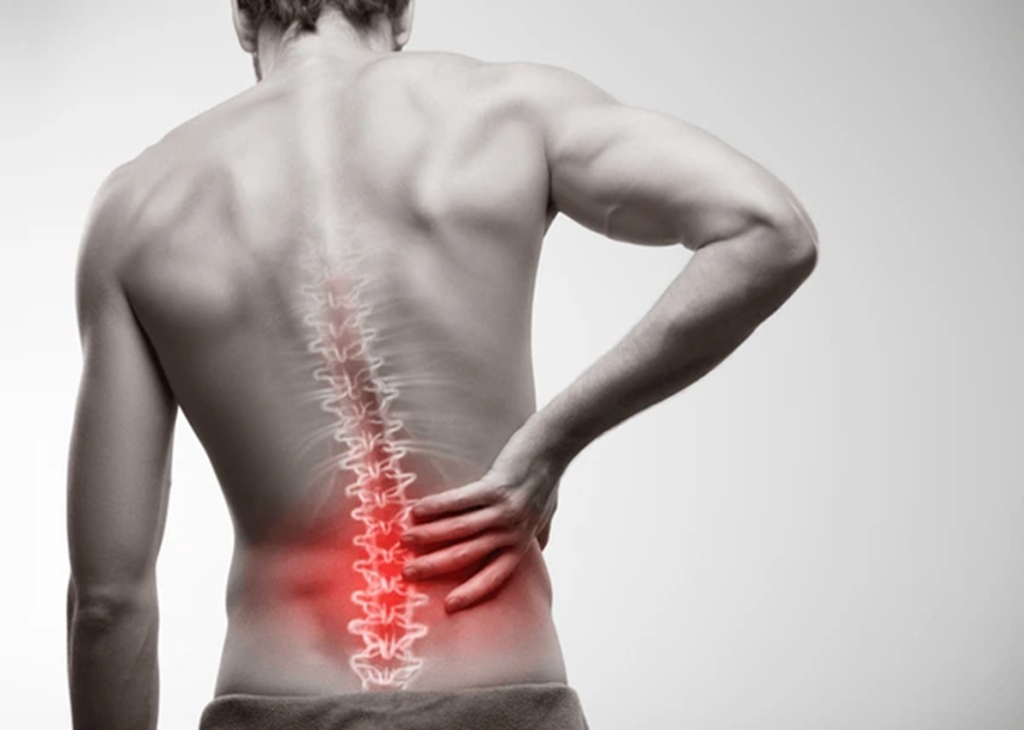
Lower back pain is one of the most common problems people face, regardless of age. It can result from simple activities, injuries, or other health issues. Lifestyle and physical stress usually contribute to the problem, so proper posture, activity, and early treatment of discomfort are necessary. Lower back pain can result from various factors, including:
- Muscle or ligament strain: Often due to improper lifting, sudden movements, or poor posture.
- Herniated discs: When the cushioning between vertebrae bulges or ruptures, causing nerve irritation.
- Arthritis: Degenerative changes in the spine can lead to stiffness and pain.
- Poor lifestyle habits: Prolonged sitting, lack of exercise, or being overweight can exacerbate back pain.

Image Source: https://www.verywellhealth.com/common-causes-of-back-pain-diagnosis-and-treatment-2548504
The Importance of Conservative Management
Many patients are surprised to learn that conservative management can effectively alleviate lower back pain. These methods are non-invasive and aim to address the root cause of the pain while improving overall quality of life.
This is especially crucial since it reduces risks of surgery complications, infections, or long-term recovery periods. In addition, conservative management usually fosters natural healing as the body heals with supportive care. This method empowers patients to actively participate in their recovery process, encouraging sustainable lifestyle changes that can prevent future complications.
For example, in conditions like lower back pain, treatments such as physical therapy, posture correction, and strengthening exercises can help greatly in reducing symptoms without surgery.
Say Goodbye to Back Pain—Without Surgery.

Physical Therapy
- A trained physical therapist can design a program of exercises to strengthen core muscles, improve flexibility, and reduce pain.
- Techniques like manual therapy and targeted stretches can also relieve discomfort.
- Customized home exercise programs for long-term benefits.
Exercises
- Activities like yoga, Pilates, or simple back-strengthening exercises can significantly reduce symptoms.
- Regular movement helps improve blood flow and maintain spinal health.
- Start slowly and increase activity levels gradually to avoid straining your muscles.
Pain Management
- Over-the-counter medications: Medications like ibuprofen or acetaminophen can reduce inflammation and pain.
- Heat or ice therapy: Provides temporary relief from muscle soreness and spasms.
- Relaxation techniques: Deep breathing exercises or mindfulness meditation can help reduce muscle tension, improve stress management, and promote overall pain relief.
- Advanced pain management techniques: Procedures such as epidural steroid injections involve administering corticosteroids near nerve roots to reduce inflammation and pain caused by conditions like herniated discs. Other injectables, such as nerve blocks, target specific nerves to alleviate severe pain temporarily and are often used as part of a broader treatment plan.
Lifestyle Modifications
- Maintaining a healthy weight reduces strain on the spine.
- Ergonomic improvements in your workspace can prevent poor posture.
- Focusing on proper lifting techniques to prevent injury.
- Avoiding prolonged sitting or standing by taking regular breaks.
Alternative Therapies
Acupuncture, chiropractic adjustments, or massage therapy may offer additional relief for some patients.
- Acupuncture: This ancient practice involves inserting thin needles into specific points on the body to stimulate nerves and release endorphins, offering pain relief and improving circulation.
- Chiropractic Adjustments: Chiropractors adjust the spine to provide mobility, relieve nerve irritation, and improve the health of the spine.
- Massage Therapy: Massage therapy is a physical approach that helps in relaxing muscles, improving blood flow, and reducing tension and stress.

When Is Surgery Necessary?
Surgery is generally considered only when:
- Conservative treatments fail to provide relief after several months.
- There is significant nerve involvement, such as severe sciatica or loss of bladder/bowel control.
- Structural issues like spinal instability that require correction.

Consider surgery when you experience
- Severe Pain: Chronic pain that doesn’t respond to conservative treatments like medications, physical therapy, or lifestyle changes.
- Nerve Compression: Conditions such as herniated discs, spinal stenosis, or sciatica causing nerve damage, weakness, or loss of sensation.
- Structural Issues: Severe abnormalities or instability in the spine, such as curvature or fractures, that impair that disrupt normal function or lead to further complications.
- Progressive Symptoms: Progression of symptoms like difficulty walking, bowel or bladder dysfunction, or loss of motor function.
- Emergencies: Acute injuries or conditions, such as spinal infections or tumors, that require immediate intervention to prevent life-threatening outcomes.
Tips for Managing Lower Back Pain at Home

Stay Active
Avoid prolonged bed rest, as it can worsen stiffness and weaken muscles. Regular physical activity helps strengthen the muscles that support your lower back. Gentle exercises like walking, swimming, or yoga can improve flexibility, reduce stiffness, and alleviate pain.
Back Exercises
Mckenzie method is a globally recognized system for diagnosing and treating musculoskeletal conditions, particularly lower back pain. Developed by physiotherapist Robin Anthony McKenzie in the 1950s and popularized in the 1980s, it emphasizes patient-driven care through posture correction and specific exercise regimens. The method focuses on identifying pain patterns, tailoring treatments to individual needs, and encouraging self-management to reduce symptoms and improve function.
Common Exercises
- Prone position lying flat (patient lies flat on their stomach)
- Prone position propped on elbows (patient lies flat on their stomach and props themselves onto their elbows with the spine in extension)
- Prone position propped on hands (patient lies flat on their stomach and props themselves onto their hands with elbows in full extension, with the spine in extension)
- Standing lumbar extension (patient stands upright with feet shoulder-width apart, and puts hands on the lower back while extending the spine)
Practice Good Posture
Be mindful of your posture, especially when sitting or lifting objects. When sitting, keep your back straight and shoulders relaxed. When standing, distribute your weight evenly between both feet. While lifting heavy objects, bend your knees and use your legs instead of your back. Ensure your work desk and chair are at the correct height to minimize strain on your lower back during long hours of sitting. Choose chairs and mattresses that support the natural curve of your spine.
Stay Informed
Educate yourself about your condition and work closely with healthcare providers. Consult healthcare professionals for tailored advice and consider physical therapy or chiropractic care if needed.
Lower back pain can be debilitating, but surgery is rarely the only solution. By exploring conservative management techniques, many patients experience significant improvement in their symptoms. If you’re experiencing lower back pain, consult a healthcare provider to develop a personalized treatment plan tailored to your needs.
Remember, taking proactive steps today can help you avoid invasive procedures tomorrow. Your spine deserves care, attention, and the right approach to keep you moving pain-free.
How Aarogya Global Can Help
At Aarogya Global, we understand the complexities of lower back pain and the importance of exploring non-surgical options before considering surgery. While surgery can be an effective solution for certain cases, it should not always be the first choice. Our approach emphasizes the benefits of a holistic, multi-disciplinary approach to managing lower back pain.
We connect patients to specialized care that includes physical therapy, chiropractic care, pain management, and lifestyle adjustments that can help alleviate pain and prevent recurrence. By focusing on early interventions and non-invasive treatments, we aim to improve health outcomes and reduce the need for invasive procedures.
We believe that personalized care, rooted in prevention and conservative treatments, can often offer relief from lower back pain and help patients regain mobility without the risks and recovery time associated with surgery. Aarogya Global ensures that patients receive the most appropriate and effective treatment options for their individual needs, enhancing both short-term relief and long-term health.
Don’t let lower back pain dictate your life. Contact Aarogya Global today for a free consultation and discover how non-surgical treatments and personalized care can help you manage and alleviate your pain. Let us guide you toward the right solution, so you can experience long-term relief and improved quality of life without immediately resorting to surgery.
Struggling with back pain? Let Aarogya Global help you!