A Comprehensive Guide for International Patients
Introduction
India has become a global hub for medical tourism, particularly for total knee replacement (TKR) surgeries. With its top-notch medical facilities, highly skilled surgeons, and significantly less expenses than Western nations, India is a desirable choice for foreign patients looking to get rid of knee discomfort and resume their active lifestyle.
Understanding Osteoarthritis of the Knee and Total Knee Replacement
Causes of Osteoarthritis of the Knee
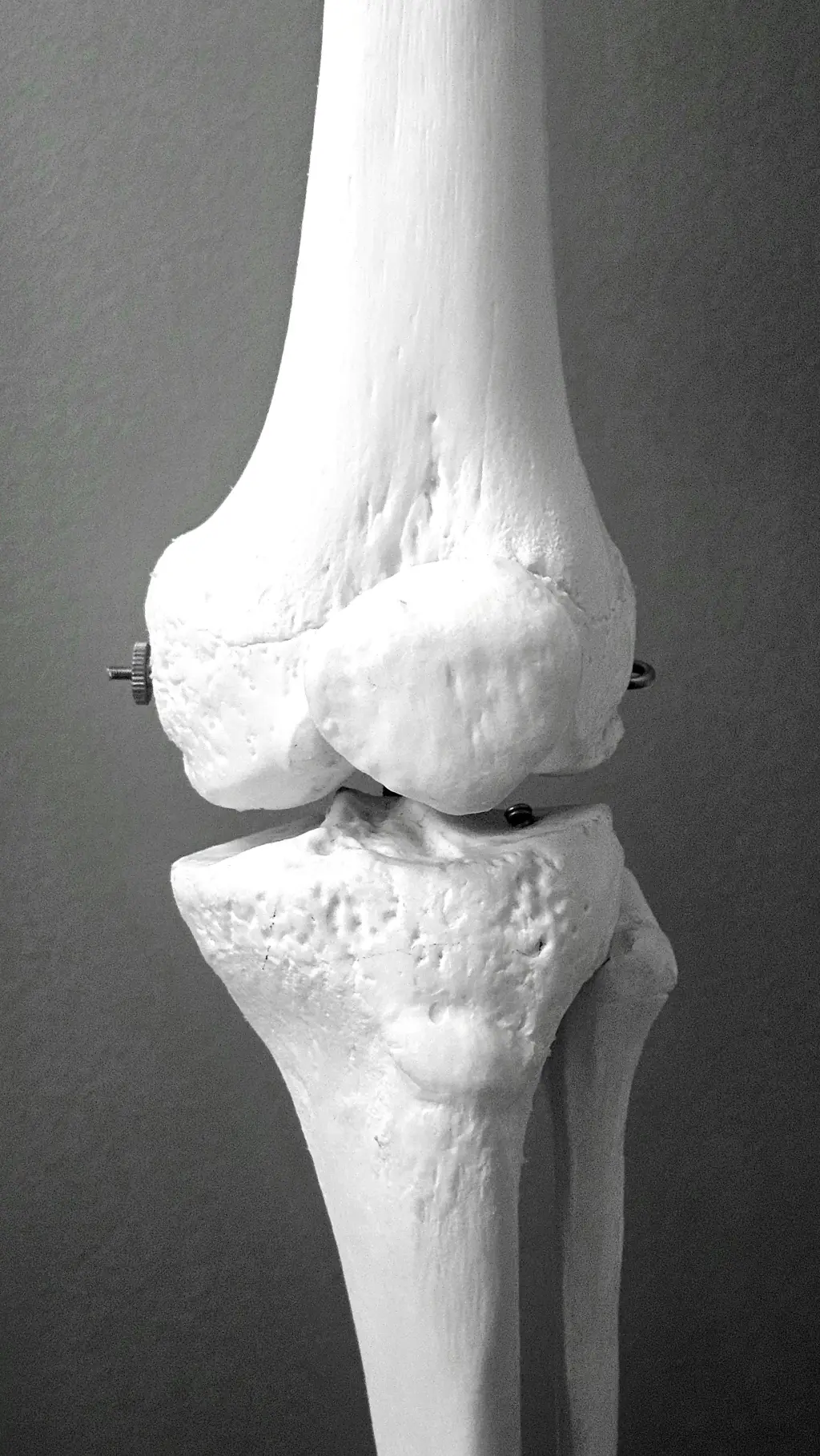
Osteoarthritis (OA) of the knee is a degenerative joint disease characterized by the progressive breakdown of cartilage in the knee joint. The primary causes and risk factors include:

1. Age: The risk of developing osteoarthritis increases with age. Cartilage naturally deteriorates over time, leading to OA.
2. Genetics: A family history of osteoarthritis can predispose individuals to the condition due to genetic factors influencing cartilage health and joint structure.
4. Injury: Previous knee injuries, such as fractures or ligament tears, can lead to osteoarthritis by disrupting the normal function and alignment of the knee joint.
5. Repetitive Stress: Jobs or sports involving repetitive knee stress or heavy lifting can contribute to the development of osteoarthritis.
Complications of Ignoring Osteoarthritis
Ignoring osteoarthritis of the knee can lead to several serious complications:

1. Progressive Joint Damage: Without appropriate management, osteoarthritis can worsen, leading to severe cartilage loss, bone erosion, and joint deformity.
2. Chronic Pain: Persistent knee pain can become debilitating, affecting daily activities and overall quality of life.
3. Reduced Mobility: Advanced osteoarthritis can lead to significant loss of joint function, making it difficult to perform basic movements such as walking, climbing stairs, or standing for extended periods.
4. Muscle Weakness: Reduced activity due to pain can result in weakened muscles around the knee, exacerbating joint instability and discomfort.
5. Deformities: Advanced OA can cause joint deformities, such as bowlegs or knock-knees, which may require surgical intervention.
6. Increased Fall Risk: Reduced mobility and joint instability increase the risk of falls, which can lead to additional injuries.
Indications for Total Knee Replacement
Total knee replacement (TKR) is typically considered when conservative treatments for osteoarthritis have failed, and the disease has reached a stage where surgical intervention is necessary. According to standard orthopedic textbooks:
1. Severe Pain: Persistent and debilitating pain that is not relieved by non-surgical treatments such as medications, physical therapy, or injections.
2. Functional Impairment: Significant limitations in daily activities, such as walking, climbing stairs, or engaging in recreational activities, despite conservative management.
3. Joint Deformity: Notable joint deformities, such as severe varus or valgus alignment, that affect function and quality of life.
4. Radiographic Evidence: Advanced joint degeneration visible on X-rays, including severe joint space narrowing, osteophyte formation, and subchondral bone sclerosis.
By understanding the causes and complications of osteoarthritis and recognizing when total knee replacement is necessary, patients can make informed decisions about their treatment options and seek timely intervention.
Why go for Total Knee Replacement in India?

1. Affordability: In India, a total knee replacement operation can cost anywhere between ₹2.5 lakhs and ₹6 lakhs, or around $3,000 and $7,500. This is far less expensive than in the US, where the same procedure can cost as much as $50,000. The treatment cost is at least 2X to 3X higher in other medical value tourism destinations, compared to India.
Here is an outlay of treatment cost at other Medical value tourism destinations
- Singapore ($11,000 to $18,000)
- Turkey ($11,000 to $14,000)
- Mexico ($9,500 and $13,500)
- Thailand ($11,000 to $14,000)
- Vietnam ($10,500 to $13,000)
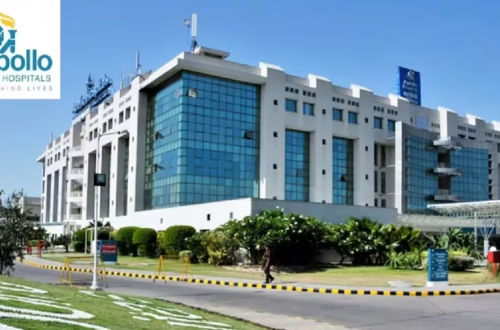
2. World-Class Medical Facilities: Some of the best hospitals in the world are located in major cities like Bangalore, Chennai, Mumbai, Delhi, and Chennai. These facilities, which include Apollo Hospitals, Fortis Healthcare, and Medanta, are outfitted with state-of-the-art technology and follow strict international guidelines for patient care. These hospitals are JCI-accredited, ensuring they meet the highest global benchmarks in healthcare delivery.
3. Surgeons with expertise: India is home to a sizeable number of Orthopedic surgeons with expertise in complete knee replacement surgery. Many of these specialists have received training and experience in prestigious medical facilities across the globe, which gives them a wealth of knowledge and cutting-edge methods to provide to their patients in India.

4. Care Professionals with excellence: Indian nurses and physiotherapists have gained global recognition for their exceptional dedication and expertise in patient care, particularly during the COVID-19 pandemic. Their advanced clinical skills and compassionate approach make them indispensable in the patient journey, especially in total knee replacement surgeries. They play a vital role before, during, and after surgery, ensuring patient comfort, managing pain, preventing complications, and guiding rehabilitation to achieve a smooth and swift recovery.

What type of treatments are available?
A total knee replacement, also known as a knee arthroplasty, entails removing the diseased bone and cartilage from the knee joint’s surface and substituting it with artificial parts. Patients with severe osteoarthritis, rheumatoid arthritis, or post-traumatic arthritis for whom non-surgical therapy have not been successful are usually advised to have this operation.
Types of Surgery for Total Knee Replacement
- Traditional Knee Replacement: Using a prosthetic implant, the complete knee joint is replaced. The most typical kind of knee replacement surgery is this one.
- Partial knee replacement: This preserves more of the knee’s natural structure and function by replacing just the damaged portion of the joint.
- Robotic-Assisted Knee Replacement: A more modern development that enhances surgical precision and may result in improved patient outcomes and a faster recovery period. For individuals interested in high-tech solutions, robotic-assisted surgery is an advanced. Robotic-assisted total knee replacement (TKR) has several advantages compared to traditional methods, offering enhanced precision and potentially improved outcomes the key benefits include:

Robotic assisted knee replacement is available in several top-tier hospitals in India and is especially suited for those who prioritize cutting-edge technology over cost considerations.
1. Increased Precision: Robotic systems provide high precision in aligning and positioning the knee implant. This enhanced accuracy can lead to better alignment of the prosthesis and more natural knee function post-surgery.
2. Customized Fit: Robotic technology allows for personalized surgical planning based on detailed preoperative imaging and data, ensuring that the implant is tailored to the patient’s specific anatomical needs.
3. Reduced Implant Wear: Precise alignment and positioning help to distribute joint forces more evenly, potentially reducing wear and tear on the implant and extending its longevity.
4. Minimized Bone Resection: The robotic system enables surgeons to remove only the damaged bone while preserving healthy bone tissue. This conservative approach can enhance overall joint function and recovery.
5. Improved Range of Motion: By optimizing implant placement and alignment, robotic TKR can contribute to better postoperative range of motion and functionality compared to traditional methods.
6. Faster Recovery: Studies suggest that patients undergoing robotic-assisted TKR may experience quicker recovery times and reduced postoperative pain, leading to shorter hospital stays and faster return to normal activities.
7. Enhanced Surgical Visualization: The robotic system provides detailed 3D imaging and real-time feedback during surgery, allowing for more accurate adjustments and improved surgical outcomes.
The Operative Procedure
Usually taking one to two hours, the procedure is carried out under either spinal or general anesthesia. To reach the knee joint, the surgeon creates an linear incision on the front of the knee. Then, injured tissues are removed and the prosthetic parts are installed. Patients typically stay in the hospital for three to five days following surgery.
Healing and Rehabilitative Care

Following total knee replacement surgery, rehabilitation entails a regimen of bed rest, medication, and physical therapy. After surgery, the majority of patients may walk with help within 24 hours, and full recovery may take three to six months. Sutures are removed usually by 12 days after surgery. A vital part of healing is physical therapy, which helps the knee regain its strength and range of motion.
Following surgery, patients should take some measures to promote appropriate healing and prevent complications
What to anticipate following surgery
· Avoid high-impact activities that could strain the knee joint.
· Follow a prescribed physical therapy regimen including quadriceps and hamstrings strengthening exercises.

· Regularly attend follow-up appointments with your surgeon.
Tips for Getting Ready for Your Travel Consultation:
Consultation: Consult an orthopedic expert to find out if a total knee replacement is the best course of action for you.
Evaluate Hospitals and Surgeons: Pick medical facilities with a track record of successful knee replacement procedures and JCI accreditation.
Requirements for Visas: Patients from other countries must apply for a medical visa, which enables a stay in India for up to six months in order to receive medical care.
Travel Plans: Arrange your lodging, airfare, and mode of transportation well in advance. These services are included in the comprehensive medical tourism packages that many hospitals offer.
“Thanks to its affordable costs, state-of-the-art medical facilities, and highly qualified doctors, India is becoming known as a leader in medical tourism for total knee replacement surgery”