The global burden of heart disease is at an all time high. Developing countries are facing a growing prevalence, often due to lifestyle changes, urbanization, and limited healthcare resources. Addressing heart health globally requires a focus on preventive care, early diagnosis, and access to treatment, particularly in regions where heart disease is rapidly increasing.
Why should you focus on your heart?
Cardiovascular diseases (CVDs), including heart disease and stroke, are the leading cause of death globally, accounting for approximately 17.9 million deaths per year. This represents about 32% of all global deaths.Of these deaths, 85% are due to heart attacks and strokes.

Developing countries, especially in Africa and the Middle East, are experiencing a shift from infectious to chronic diseases, with heart disease now becoming a leading cause of death. This is exacerbated by limited access to healthcare, late diagnosis, and under-treatment of risk factors like hypertension.
- Africa: Hypertension is a major risk factor for heart disease in Africa, with prevalence rates ranging from 15% to 35% across different regions. Hypertension is often undiagnosed and untreated, contributing to high rates of heart failure.
- Middle East: Countries like Saudi Arabia, the UAE, and Egypt have seen sharp increases in heart disease due to lifestyle changes, with heart disease accounting for nearly 45% of all deaths in the region. Studies show that the average age of first heart attacks in the Middle East is about 10 years younger than in Western countries, often affecting individuals in their 40s and 50s.
- UK: Nearly 7.6 million people are living with cardiovascular disease, including heart attacks, strokes, and other conditions.
- US: Heart disease is the leading cause of death, causing approximately 697,000 deaths in 2020, representing 1 in every 5 deaths.
How to Assess Your Cardiac Health?
One of the most critical aspects of maintaining a healthy heart is knowing your current heart health status.
Regular checkups and diagnostic tests are essential to catching issues early.
Key Indicators of Heart Health:
- Blood Pressure: High blood pressure can damage your arteries, leading to heart disease. Aim for a reading below 120/80 mmHg.
- Cholesterol Levels: High levels of bad cholesterol (LDL) can lead to plaque buildup in the arteries, increasing the risk of heart attacks. A healthy LDL level should be under 100 mg/dL.
- Heart Rate: A normal resting heart rate for adults is typically between 60 and 100 beats per minute (bpm). Lower rates can indicate better cardiovascular fitness.
- Blood Sugar: High blood sugar (glucose) can damage blood vessels, leading to an increased risk of heart disease, particularly for those with diabetes. A fasting blood sugar level under 100 mg/dL is ideal.
Key Diagnostic Tests

- Electrocardiogram (ECG or EKG):
- Measures the electrical activity of the heart.
- Detects irregular heartbeats, heart attacks, or arrhythmias.
- Echocardiogram:
- Uses ultrasound waves to create a detailed image of your heart.
- Helps diagnose heart failure, valve problems, and structural heart issues.
- Stress Test:
- Assesses how your heart performs during physical exertion.
- Can help detect coronary artery disease or arrhythmias under stress.
- Coronary Angiogram:
- Involves X-ray imaging to view the arteries of the heart.
- Used to identify blockages in the coronary arteries.
- Self-Monitoring Tools: With advancements in technology, wearable devices like smartwatches can track:
- Heart rate: Monitor for unusually high or low resting heart rates.
- Sleep patterns: Poor sleep is a risk factor for heart disease.
- Physical activity: Set daily goals to stay active and keep your heart healthy.
- Always consult your doctor if you notice irregularities in these indicators or if you experience symptoms like chest pain, shortness of breath, or dizziness.
How Do I Take Care of My Heart?
Prevention is the best medicine when it comes to heart health. By adopting heart-healthy habits early on, you can reduce the risk of heart disease later in life.

- Diet: Focus on a balanced diet rich in fruits, vegetables, whole grains, and healthy fats, such as those found in fish and nuts.
- Exercise: Aim for at least 30 minutes of moderate exercise most days of the week. Walking, swimming, and cycling are excellent choices.
- Quit Smoking: Smoking is one of the top causes of heart disease. Stopping now can significantly reduce your risk.
- Regular Checkups: Annual visits to your doctor to monitor cholesterol, blood pressure, and other markers are essential.
- Stress management: Practices like yoga, meditation, and deep breathing can help manage stress, which is a known risk factor for heart disease.

FAQ:
- Q: Can stress really affect my heart?
- A: Yes, chronic stress can lead to high blood pressure and other heart-related issues. Managing stress is crucial for long-term heart health.
What Should I Do if I am Diagnosed with a Cardiac Issue?
Being diagnosed with a heart condition can be overwhelming, but there are steps you can take to manage your health effectively.
- Lifestyle changes: Often, doctors will recommend lifestyle adjustments such as dietary changes, increased exercise, and stress management.
- Medications: Depending on the condition, your doctor may prescribe medications to control cholesterol, blood pressure, or other factors affecting your heart.
- Regular consultations: Stay in close touch with your cardiologist to monitor your condition and adjust treatment as necessary.
India has become a leading destination for international patients seeking world-class cardiac care. With top-tier hospitals, expert doctors, advanced technology, and affordable pricing, India offers exceptional solutions for heart health issues. Whether you’re concerned about heart disease or have been diagnosed with a cardiac condition, this blog will guide you through every step of your journey—from assessing your heart health to getting the best treatment available.
What types of cardiac procedures are recommended?
The chances of avoiding heart failure through surgical interventions such as angioplasty, stents, coronary artery bypass surgery, valve repair/replacement, and minimally invasive procedures are generally high, especially when performed in the early stages of heart disease. Here’s a detailed look at the success rates and potential risk reduction for each procedure:
1. Angioplasty and Stents
- Purpose: Opens clogged arteries to restore blood flow to the heart, reducing the risk of heart attack and relieving symptoms like chest pain.
- Success Rate: Studies show that 90-95% of angioplasty procedures are successful in improving blood flow and reducing symptoms.
- Heart Failure Risk Reduction: Angioplasty significantly reduces the risk of heart attacks and subsequent heart failure, especially when done early. However, the risk of restenosis (re-narrowing of arteries) occurs in about 15-30% of patients, which may require follow-up procedures.
2. Coronary Artery Bypass Surgery (CABG)
- Purpose: Reroutes blood flow around blocked arteries, typically for patients with multiple severe blockages.
- Success Rate: CABG has a high success rate of about 95% for patients with multi-vessel coronary artery disease.
- Heart Failure Risk Reduction: CABG has been shown to reduce the risk of heart failure in patients with severe coronary artery disease, improving survival rates by 80-90% in patients over a 5-10 year period. It is particularly effective in preventing recurrent heart attacks, which are a leading cause of heart failure.
3. Valve Repair/Replacement
- Purpose: Repairs or replaces damaged heart valves to improve blood flow and reduce strain on the heart, preventing heart failure.
- Success Rate: The success rate for valve repair and replacement surgeries is typically above 90%, depending on the patient’s condition and type of valve (mechanical or biological) used.
- Heart Failure Risk Reduction: Valve repair/replacement surgeries are highly effective at reducing the risk of heart failure by preventing conditions like aortic stenosis, mitral regurgitation, and other valvular diseases from progressing.
4. Minimally Invasive Procedures (Robotic-assisted Surgery and TAVI)
- Purpose: Minimally invasive procedures, like Transcatheter Aortic Valve Implantation (TAVI) and robotic-assisted surgery, are used for valve replacement or repairs and offer quicker recovery times.
- Success Rate: TAVI procedures have a 90-95% success rate, with robotic-assisted surgeries showing similarly high success rates for eligible patients.
- Heart Failure Risk Reduction: These procedures provide a significant reduction in heart failure risk for patients who are too high-risk for traditional open-heart surgery. TAVI, for example, can reduce the risk of death or heart failure hospitalization by 20-40% over a 1-2 year follow-up period.
Best Hospitals and Doctors in India for Cardiac Treatment
India is home to some of the most prestigious cardiac care hospitals and highly experienced cardiologists.
Top Hospitals

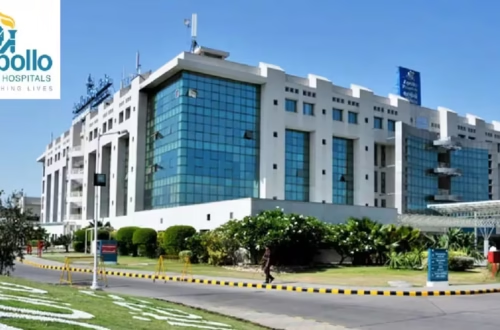
1. Apollo Hospitals
- Accreditations: Apollo Hospitals is accredited by the Joint Commission International (JCI) and National Accreditation Board for Hospitals (NABH), ensuring high standards of care.
- Cardiac Care Statistics:
- Over 170,000 cardiac surgeries performed, including complex procedures like bypass surgeries and heart transplants.
- Has pioneered advanced procedures such as robotic cardiac surgery and minimally invasive heart surgeries.
- International Patients: Apollo receives a large number of international patients, particularly from Africa, the Middle East, and Southeast Asia, due to their comprehensive care and advanced technology.

2. Medanta – The Medicity
- Accreditations: NABH accredited with a specialized cardiac care wing.
- Cardiac Care Statistics:
- Medanta’s Heart Institute is renowned for its expertise in advanced heart procedures like heart valve repair/replacement, Transcatheter Aortic Valve Implantation (TAVI), and Minimally Invasive Cardiac Surgery.
- The hospital has performed over 50,000 heart surgeries since its inception.
- Equipped with cutting-edge technologies like robotic surgery and 3D mapping systems for precision.
- International Patients: Large numbers come from African countries, the Middle East, and South Asia for high-risk surgeries and comprehensive cardiac rehabilitation.
3. Fortis Escorts Heart Institute
- Accreditations: NABH, JCI accredited.
- Cardiac Care Statistics:
- Over 200,000 heart surgeries performed, with the institute specializing in pediatric cardiac care, heart transplants, and valvuloplasty.
- Known for handling complex cardiac cases and performing over 14,500 angioplasties each year.
- Equipped with robotic-assisted surgery systems and cutting-edge diagnostic tools like intravascular ultrasound (IVUS).
- International Patients: Strong inflow from countries such as Nigeria, Kenya, and Saudi Arabia, owing to their reputation for complex procedures and affordability.
4. Narayana Health (Narayana Hrudayalaya)
- Accreditations: JCI, NABH accredited.
- Cardiac Care Statistics:
- Performs over 12,000 heart surgeries annually, making it one of the largest cardiac surgery centers in the world.
- Specializes in pediatric cardiac surgeries, which are performed at a fraction of the cost compared to other global centers.
- Known for its affordable healthcare model, Narayana Health offers high-quality cardiac care at 40-60% lower costs than many countries.
- International Patients: Significant patient footfall from African countries, the Middle East, and Southeast Asia, drawn by affordability and expertise.
5. Max Super Speciality Hospital
Accreditations: NABH, ISO 9001 certified.Cardiac Care Statistics:
- Over 30,000 cardiac surgeries performed, specializing in angioplasty, CABG (Coronary Artery Bypass Grafting), and heart failure management.
- Known for offering innovative treatments like hybrid heart surgeries that combine open surgery with catheter-based interventions.
- International Patients: A large number of international patients from regions such as Africa and the Gulf countries, thanks to its reputation for high-quality care at competitive prices.
Expert Cardiologists
Doctors like Dr. Naresh Trehan, Dr. Devi Shetty, and Dr. Ashok Seth are internationally recognized for their contributions to cardiology.
- Dr. Naresh Trehan: A cardiothoracic and cardiovascular surgeon at Medanta the Medicity in Gurugram, Dr. Trehan has performed 48,000 open-heart surgeries. He has received the Padma Shri and Padma Bhushan awards from the Indian government.
- Dr. Ashok Seth: An interventional cardiologist at Fortis Escorts Heart Institute in New Delhi, Dr. Seth has performed over 50,000 angiograms and 20,000 angioplasties. He has received the Padma Bhushan and Padma Shri awards from the President of India.
- Dr. Devi Prasad Shetty: A senior consultant cardiac surgeon at Narayana Institute of Cardiac Sciences in Bangalore, Dr. Shetty has performed over 15,000 heart surgeries.
- Dr. Manoj Pinar: A cardiac surgeon at Aster Medicity Hospitals in Kerala, Dr. Pinar has experience in over 11,000 cardiac surgeries. He is a pioneer in Hybrid Aortic Aneurysm Surgery in India.

How Many International Patients Come to India for Cardiac Treatment?
India has emerged as a preferred destination for international patients due to its affordable yet high-quality medical services. Each year, thousands of patients from across the globe travel to India for cardiac care.
- Cost Savings: Treatments in India can be 60-80% cheaper compared to countries like the US, UK, or UAE.
- Patient Footfall: A significant number of patients come from the Middle East, Africa, and Southeast Asia, seeking life-saving procedures at a fraction of the cost they would pay in their home countries.
- Advanced Technology: Indian hospitals use state-of-the-art medical technology and follow international protocols for care.
When seeking treatment abroad, patients often have several questions about logistics, costs, and care.
- Medical Visa: India offers a streamlined medical visa process for international patients, with many hospitals providing assistance. The visa can be granted within 24-48 hours on urgent basis.
- Cost Comparison: An open-heart surgery in the US could cost upwards of $100,000, while the same procedure in India may cost between $10,000 and $15,000.
- Post-Operative Care: Indian hospitals offer robust aftercare, including physical therapy, remote consultations, and comprehensive recovery plans.
Conclusion
India has earned its place as a leading destination for cardiac care, combining clinical expertise, cutting-edge technology, and affordable pricing. Whether you’re seeking preventive measures, have been diagnosed with a cardiac issue, or need advanced surgical procedures, India’s hospitals and doctors stand ready to offer world-class care.
International patients can benefit from significant cost savings, top-tier medical professionals, and a healthcare system that rivals the best in the world. If you’re looking to take control of your heart health, India is an excellent choice for high-quality, affordable cardiac care.
For more information on how to start your journey, contact us for a free consultation today!
Frequently Asked Questions (FAQs)
Q: What age should I start monitoring my heart health?
A: People should begin heart health assessments in their 30s, especially if they have a family history of heart disease.
Q: How often should I visit a doctor if I’ve been diagnosed with heart disease?
A: It depends on the severity of your condition, but regular checkups (every 3-6 months) are generally recommended.
Q: Why is India a popular choice for cardiac care?
A: India offers world-class treatment at affordable rates, along with highly experienced doctors and advanced medical technologies.
Q: What’s the process for obtaining a medical visa to India?
A: You can apply for a medical visa through the Indian embassy or consulate in your country. Many hospitals offer help with the paperwork to make the process smooth. Aarogya Global can help you with a free e-med visa filing.
Q: How can I choose the right hospital for cardiac treatment in India?
A: Look for hospitals with accreditation from organizations like NABH or JCI, as these institutions maintain high standards of care. Additionally, consider the experience of the doctors and success rates of procedures.
Q: How long is the recovery after a cardiac procedure?
A: Recovery varies by procedure. For instance, minimally invasive surgeries may require just a few weeks, while traditional open-heart surgery could take several months for full recovery.