Introduction
Kerala, often referred to as “God’s Own Country,” has emerged as a premier destination for Ayurveda and naturopathy treatments. With its rich tradition of holistic healing, the state offers a range of therapies designed to promote wellness and treat various health conditions. This guide provides international patients with insights into the available treatments, benefits, and practical information for seeking care in Kerala.

Understanding Ayurveda and Naturopathy
Ayurveda, often referred to as the “science of life,” is an ancient Indian system of medicine that dates back over 5,000 years. It focuses on a holistic approach to health, aiming to create a harmonious balance between the body, mind, and spirit. This balance is thought to promote long-term wellness and prevent illness. Ayurveda’s core philosophy is based on the belief that health is a state of equilibrium between three fundamental energies or “doshas”—Vata (air and space), Pitta (fire and water), and Kapha (water and earth). These doshas are believed to influence our physical, mental, and emotional well-being. Treatments in Ayurveda are personalized, focusing on restoring the balance of these doshas through a combination of natural therapies, dietary changes, herbal medicines, yoga, meditation, and detoxification methods like Panchakarma.
Naturopathy, while sharing similarities with Ayurveda in its holistic approach, is more modern in its philosophy and methodology. Rooted in nature-based healing practices, naturopathy promotes the body’s inherent ability to heal itself through natural remedies, including herbal medicine, nutritional counseling, hydrotherapy, and physical therapies like massage and acupuncture. Naturopathy also emphasizes lifestyle modifications, such as exercise, stress management, and detoxification to support overall health and prevent chronic illnesses. Central to naturopathy is the belief in treating the root cause of diseases rather than merely addressing symptoms, which is achieved by focusing on prevention, detoxification, and natural therapies tailored to each individual’s needs.
Together, Ayurveda and naturopathy offer a wide array of therapeutic approaches designed to promote physical, mental, and spiritual well-being. They can be used independently or in combination to treat conditions ranging from chronic illnesses to stress and anxiety, providing a comprehensive healing experience that is deeply rooted in natural and time-tested wisdom.
Key Principles of Ayurveda

1. Dosha Balance: Ayurveda is based on the concept of three doshas—Vata, Pitta, and Kapha. Each person has a unique constitution, and treatments aim to restore balance among these doshas.
2. Holistic Approach: Treatments encompass physical, mental, and spiritual well-being, emphasising prevention and the body’s inherent healing abilities.
3. Natural Remedies: Ayurveda employs herbal medicines, dietary changes, yoga, and meditation to promote health.
Key Principles of Naturopathy

1. Nature Cure: Naturopathy focuses on using natural substances and therapies, such as herbs, nutrition, and hydrotherapy, to stimulate the body’s healing processes.
2. Lifestyle Modification: Naturopathy emphasizes the importance of a healthy lifestyle, including diet, exercise, and stress management.
3. Individualized Treatment: Naturopathic treatments are tailored to each patient’s specific needs and health conditions.
Common Conditions Treated
Ayurvedic Treatments
1. Stress and Anxiety: Techniques like Panchakarma detoxification, meditation, and herbal supplements.
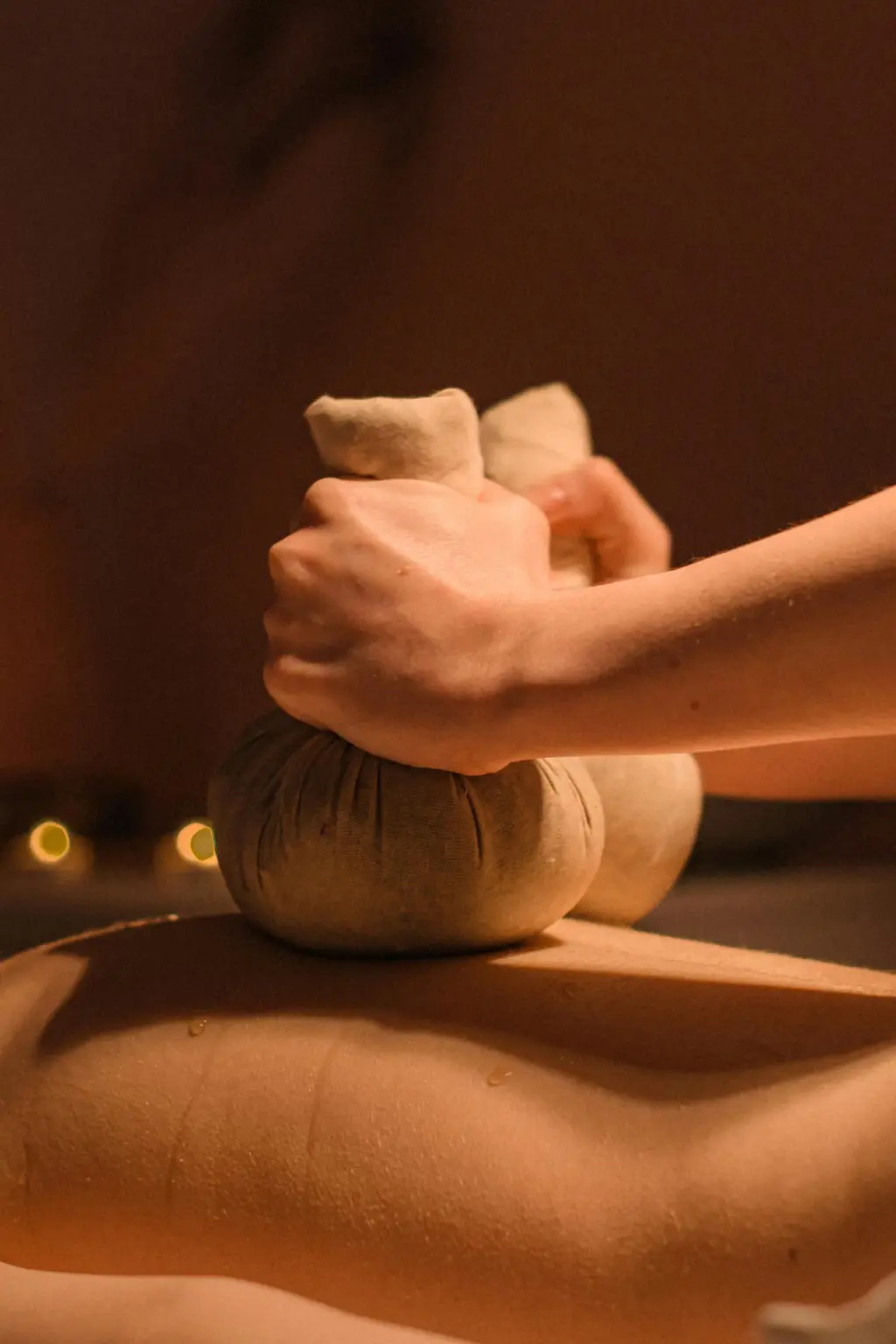
2. Musculoskeletal Disorders: Treatments include Kati Basti for lower back pain and Elakizhi for joint pain.
3. Digestive Disorders: Customized diets and herbal remedies targeting conditions like irritable bowel syndrome (IBS).
Naturopathic Treatments
1. Chronic Fatigue: Nutritional counseling and lifestyle adjustments to improve energy levels.
2. Skin Conditions: Use of natural treatments like mud packs and herbal pastes for conditions such as eczema and psoriasis.
3. Respiratory Disorders: Breathing exercises and herbal remedies to support lung health.
Benefits of Ayurveda and Naturopathy in Kerala (India)
1. Affordability: Treatments in Kerala are significantly more cost-effective than those in Western countries, making holistic care accessible to international patients.

2. Experienced Practitioners: Kerala is home to numerous highly qualified Ayurvedic doctors and naturopaths, many of whom have extensive training and experience.
3. Natural Environment: The serene landscapes and rich biodiversity of Kerala enhance the healing experience, allowing patients to rejuvenate in a tranquil setting.

Preparing for Your Journey to Kerala
Consultation with Practitioners
Before traveling, international patients should consult with Ayurvedic doctors or naturopaths to discuss their health concerns and treatment options. Initial assessments may include health history reviews and diagnostic techniques such as pulse diagnosis.
Travel and Medical Visa
International patients must apply for a medical visa, which allows for an extended stay in India for treatment and recovery. Documentation from the treatment facility in Kerala may be required. All of these can be done hustle free with help of medical tourism facilitators like Aarogyagobal
Accommodation and Transportation
Many Ayurvedic and naturopathic centers in Kerala offer comprehensive packages that include treatments and accommodation. It is advisable to book these services in advance.
Healing and Rehabilitative Care
After undergoing treatments, follow-up care is essential for optimal recovery. Patients may engage in:
1. Lifestyle Adjustments: Following dietary guidelines and wellness routines recommended by practitioners.
2. Physical Activity: Gentle yoga and exercise tailored to individual capabilities.
3. Regular Check-ups: Ongoing consultations to monitor progress and make necessary adjustments to treatment plans.
What to Expect During Your Stay
1. Individualised Treatment Plans: Each patient receives a customized plan that includes daily therapies, dietary advice, and lifestyle modifications.
2. Relaxing Environment: Many facilities are located near backwaters and beaches, providing a peaceful atmosphere conducive to healing.
3. Community Engagement: Patients often participate in group activities such as yoga classes and meditation sessions.
Tips for a Successful Trip
1. Research and Choose Reputable Centers: Look for facilities accredited by organisations like NABH or ISO for quality assurance.
2. Understand Your Treatment Options: Familiarise yourself with the therapies available and communicate any specific preferences or health conditions to your practitioners.
3. Plan for Cultural Differences: Be prepared for local customs and practices, enhancing your overall experience in Kerala.
4. Consulting a Medical Tourism facilitator: Consulting a medical tourism facilitator like Aarogyaglobal in India streamlines the healthcare journey for international patients by offering expert guidance on selecting top hospitals, doctors, and treatments. They also manage logistics like travel, accommodation, and appointments, ensuring a hassle-free experience.
Conclusion
With its unique blend of traditional wisdom and modern healthcare practices, Kerala offers international patients a transformative experience through Ayurveda and naturopathy. By choosing this holistic path, patients can expect not only to address specific health concerns but also to embrace a lifestyle of well-being.
FAQs
1. What makes Kerala a leading destination for Ayurveda and Naturopathy?
Kerala offers authentic Ayurvedic treatments rooted in 5,000-year-old traditions, practiced by certified professionals. The state’s tropical climate, medicinal plants, and serene environment make it ideal for holistic healing experiences.
2. What are some popular Ayurvedic treatments available in Kerala?
Kerala offers treatments like Panchakarma (detox therapy), Abhyanga (therapeutic oil massage), Shirodhara (oil pouring on the forehead), and herbal steam baths, all aimed at restoring physical, mental, and emotional well-being.
3. How do Ayurveda and Naturopathy complement each other?
While Ayurveda focuses on herbal remedies and body detox through massage, Naturopathy emphasizes healing through diet, exercise, and natural therapies such as hydrotherapy. Together, they provide a comprehensive wellness approach.
4. What should travelers consider before booking Ayurvedic or Naturopathy retreats in Kerala?
It’s important to check the authenticity of the retreat center, ensure practitioners are certified, and confirm the treatments are customized to individual health conditions. Many retreats also offer packages with yoga and meditation for deeper relaxation.
5. What is the ideal duration for an Ayurvedic or Naturopathy retreat in Kerala?
For a complete rejuvenation experience, 7-14 days is recommended. However, longer stays of 21-28 days are often ideal for deep healing, especially if undergoing Panchakarma or treatments targeting chronic ailments.