
Introduction
India has emerged as a leading destination for spine surgeries, offering world-class medical facilities and highly skilled surgeons at a fraction of the cost compared to Western nations. This guide will help international patients understand various spine surgeries available in India, including treatments for lumbar canal stenosis, prolapsed intervertebral disc (PIVD), and other spinal deformities. With top-notch care and advanced technology, India presents an ideal solution for patients seeking relief from debilitating back pain and spinal issues.

Understanding Lumbar Spine Disorders
Spine issues, such as lumbar canal stenosis and prolapsed intervertebral disc, are common problems that affect mobility, quality of life, and overall health. Here’s an overview of the most common conditions:
Lumbar canal stenosis is the narrowing of the spinal canal in the lower back, which puts pressure on the nerves, leading to pain, numbness, and difficulty in walking.
Common Causes:
- Aging: Degenerative changes in the spine with age, including bone spurs and thickened ligaments.
- Herniated Disc: Disc material pressing on the spinal cord.
- Injury: Traumatic injuries that displace or damage the vertebrae.
- Arthritis: Osteoarthritis and rheumatoid arthritis affecting the spine.
- Congenital Conditions: Some individuals are born with a narrow spinal canal, which can lead to early onset stenosis.
Prolapsed Intervertebral Disc (PIVD)
PIVD, also known as a herniated or slipped disc, occurs when the soft inner gel of the disc bulges out through a tear in the outer layer, causing nerve compression and severe pain.
Common Causes:
- Aging and Disc Degeneration: As we age, spinal discs lose water content and flexibility, making them prone to tears.
- Trauma or Injury: Sudden impacts or improper lifting can result in a prolapsed disc.
- Repetitive Movements: Jobs that involve heavy lifting or repetitive motion can increase the risk of PIVD.
Spinal deformities, such as scoliosis, kyphosis, and lordosis, cause abnormal curvature of the spine and can lead to pain, respiratory issues, and physical deformity if left untreated.
Complications of Untreated Lumbar Spine Conditions
Ignoring lumbar spine conditions can lead to severe complications:
- Chronic Pain: Persistent back pain that affects daily activities and reduces the quality of life.
- Loss of Mobility: As spinal issues progress, patients may experience reduced mobility, leading to difficulties in walking or standing.
- Nerve Damage: Severe cases of stenosis or disc prolapse can lead to permanent nerve damage, causing weakness, numbness, or paralysis in the legs.
- Bladder and Bowel Dysfunction: Spinal nerve compression can affect bladder and bowel control, leading to incontinence.
- Spinal Instability: Without treatment, spinal conditions may cause instability, leading to further deformities or fractures.

Surgical Options for Lumbar Spine Conditions
India offers various advanced surgical treatments for lumbar spine conditions, performed by highly experienced spine surgeons:
1. Decompression Surgery for Lumbar Canal Stenosis
This procedure relieves pressure on the spinal cord and nerves by removing the bone or ligament that is causing the compression. Types of decompression surgeries include:
- Laminectomy: Removal of the lamina (the back part of the vertebra) to create more space in the spinal canal.
- Foraminotomy: Widening the foramen, the opening where nerve roots exit the spine.
2. Discectomy for Prolapsed Intervertebral Disc
A discectomy is a surgical procedure to remove the herniated part of a disc that is compressing a nerve. Depending on the severity, the surgery may be:
- Microdiscectomy: A minimally invasive procedure that uses a microscope to guide the removal of the damaged disc portion.
- Open Discectomy: A traditional procedure involving a larger incision for the removal of the prolapsed disc.
Spinal fusion is performed to stabilize the spine by fusing two or more vertebrae. It is often recommended for patients with degenerative disc disease, severe stenosis, or spinal deformities. Types of spinal fusion include:
- Posterior Lumbar Interbody Fusion (PLIF): Fusing vertebrae from the back of the spine.
- Anterior Lumbar Interbody Fusion (ALIF): Fusion through the front of the spine.
4. Minimally Invasive Spine Surgery (MISS)
MISS involves smaller incisions and the use of advanced instruments like endoscopes and lasers, leading to faster recovery, less pain, and shorter hospital stays. Procedures include minimally invasive decompression and fusion surgeries.
Why Choose India for Spine Surgery?
- Affordability: Spine surgeries in India are far more affordable than in the US or Europe. The cost of lumbar spine surgery ranges from ₹2 lakhs to ₹5 lakhs (approx. $2,500 to $6,500), compared to $20,000 to $50,000 in Western countries.
Comparative Costs in Other Destinations:
- Singapore: $13,000 to $20,000
- Turkey: $10,000 to $15,000
- Mexico: $9,000 to $14,000
- Thailand: $11,000 to $16,000
- Vietnam: $10,000 to $13,500
- Highly Skilled Surgeons: Indian spine surgeons are globally renowned, many of whom have received advanced training from prestigious international institutions. Their expertise ensures high success rates for complex spine surgeries.
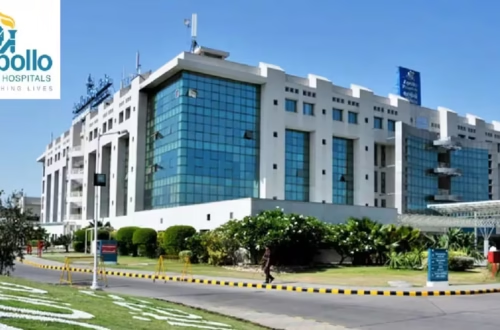
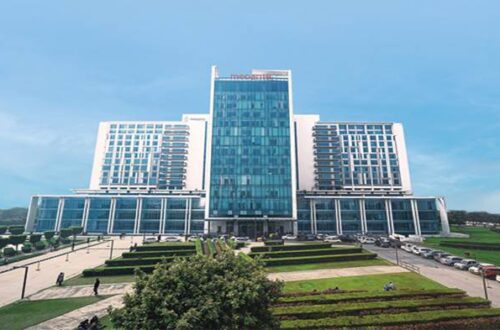
- World-Class Hospitals: Indian hospitals like Apollo, Fortis, and Medanta are equipped with cutting-edge technology and internationally accredited, ensuring the best quality of care.
- Minimally Invasive Techniques: Indian hospitals offer the latest minimally invasive spine surgery techniques, providing quicker recovery and fewer post-operative complications.

Preparing for Your Spine Surgery in India
- Consultation with a Spine Surgeon: Prior to surgery, you will undergo detailed diagnostic tests such as MRI, X-rays, and CT scans to confirm the diagnosis and determine the best course of treatment.
- Travel and Medical Visa: International patients need to apply for a medical visa, which allows an extended stay in India for treatment and recovery.
- Accommodation and Post-Op Care: Many Indian hospitals offer comprehensive medical tourism packages, including accommodation, transportation, and post-operative rehabilitation care.

Healing and Rehabilitative Care
Following spine surgery, particularly for conditions such as lumbar canal stenosis or prolapsed intervertebral disc, rehabilitation plays a crucial role in recovery. The healing process generally involves a combination of bed rest, medication, and physical therapy. Most patients are encouraged to begin light movement, such as walking with assistance, within 24 to 48 hours after surgery. Full recovery may take anywhere from three to six months, depending on the type and complexity of the procedure.
Key Aspects of Rehabilitation:

- Physical Therapy: A structured physical therapy program is essential to regain strength, flexibility, and range of motion in the spine. Specific exercises will help strengthen the muscles supporting the spine, reduce stiffness, and improve posture.
- Wound Care: Stitches or staples are usually removed 10-14 days post-surgery. Proper wound care is essential to prevent infection and ensure smooth healing.
- Pain Management: Postoperative pain is typically managed with medications, including anti-inflammatory drugs and, in some cases, nerve pain relievers.
- Lifestyle Modifications: Patients are advised to avoid heavy lifting, prolonged sitting, and high-impact activities during recovery to protect the spine.
- Gradual Return to Activity: The goal is to slowly resume daily activities under the guidance of a physiotherapist to prevent further injury or complications.
What to Expect Following Spine Surgery:
- Limit Physical Stress: Avoid any high-impact activities such as running, jumping, or heavy lifting for several months post-surgery.
- Follow Physical Therapy Routine: A carefully designed rehabilitation program involving exercises for back strengthening, mobility improvement, and posture correction is critical.
- Regular Follow-Up Appointments: Periodic consultations with your surgeon and healthcare team will track your progress, ensure proper healing, and address any concerns that may arise.
- Return to your daily routine without the burden of troublesome back pain

Tips for Getting Ready for Your Travel Consultation
- Consultation with a Spine Specialist: Before deciding on surgery, it is essential to consult with an experienced spine surgeon who will perform diagnostic tests like MRI or CT scans to evaluate the best treatment plan for your condition.
- Evaluate Hospitals and Surgeons: Research hospitals with a track record of successful spine surgeries. Hospitals with JCI accreditation or equivalent global certifications are recommended for their adherence to international healthcare standards.
- Visa Requirements: International patients need to apply for a medical visa, which typically allows for an extended stay in India to complete both the surgery and recovery process.
- Travel and Accommodation Planning: It’s important to arrange accommodation and transportation in advance. You may connect with a medical tourism facilitator like Aarogya Global who can offer medical tourism packages that include airport pickups, comfortable stays, and assistance with post-surgical care.

“With affordable pricing, cutting-edge medical technology, and a team of world-class spine specialists, India has established itself as a leader in medical tourism for spine surgery.”